
Resource Hub
The Environmental Education Resource Hub is a coordinated, community-driven platform that supports year-round learning and collaboration across our region.
Designed for educators, youth leaders, and community partners, the Hub provides access to programs, tools, and resources that foster outdoor learning. By connecting people and organizations, we aim to strengthen environmental education, inspire stewardship, and empower the next generation of leaders in sustainability.
Environmental Education Programs
The mission of the Botanical Garden of the Piedmont is to welcome all community members and visitors to engage in nature, to inspire learning through the beauty and importance of plants, to advance sustainability, and to promote human and environmental well-being.
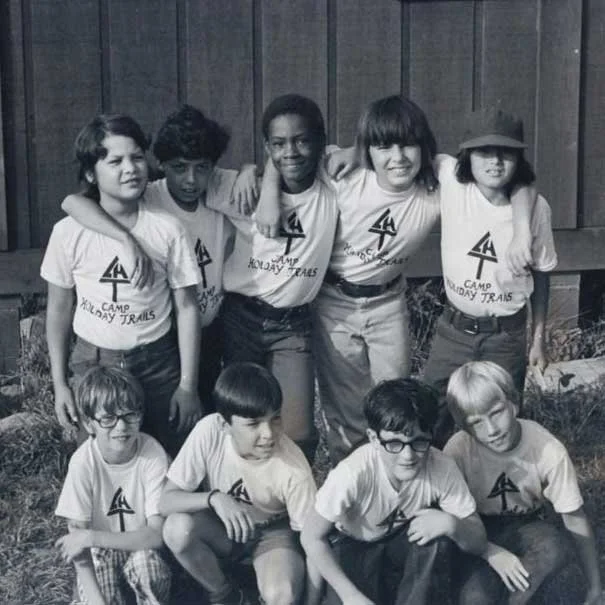
We are a camp for kids with medical needs.
Contact: marissa@campholidaytrails.org
Boys & Girls Clubs of Central Virginia enables all young people, especially those who need us most, to reach their full potential as productive, caring, responsible members of the communities in which they live.
We offer a network of 12 walking trails in a natural habitat undisturbed for wildlife. Our trained Master Naturalists and volunteers are available for tours (environmental education topics). Our Education Building is available to rent for non-profits (fee required) with a maximum of 60 people.
Contact rochelle@ivycreekfoundation.org for building rental information.
The Rivanna Chapter serves the goals of the Virginia Master Naturalist Program as a statewide corps of trained volunteers dedicated to supporting our region’s natural resources and public nature preserves. Thirty VMN chapters in Virginia undertake projects and initiatives that benefit Virginia’s natural environment and its inhabitants.
The Living Earth School draws from both ancient and modern wisdom to empower students of all ages in becoming better caretakers, mentors, and leaders. We help people connect with each other and the natural world through meaningful relationships and experiences. There’s a nature-based education program for everyone, from summer camps and weekly homeschool groups to an array of weekend workshops and expeditions.
We envision a healthy Rivanna River and watershed that benefits and is sustained by the community.
Fishing & Outdoor Adventure Summer Day Camp Programs.
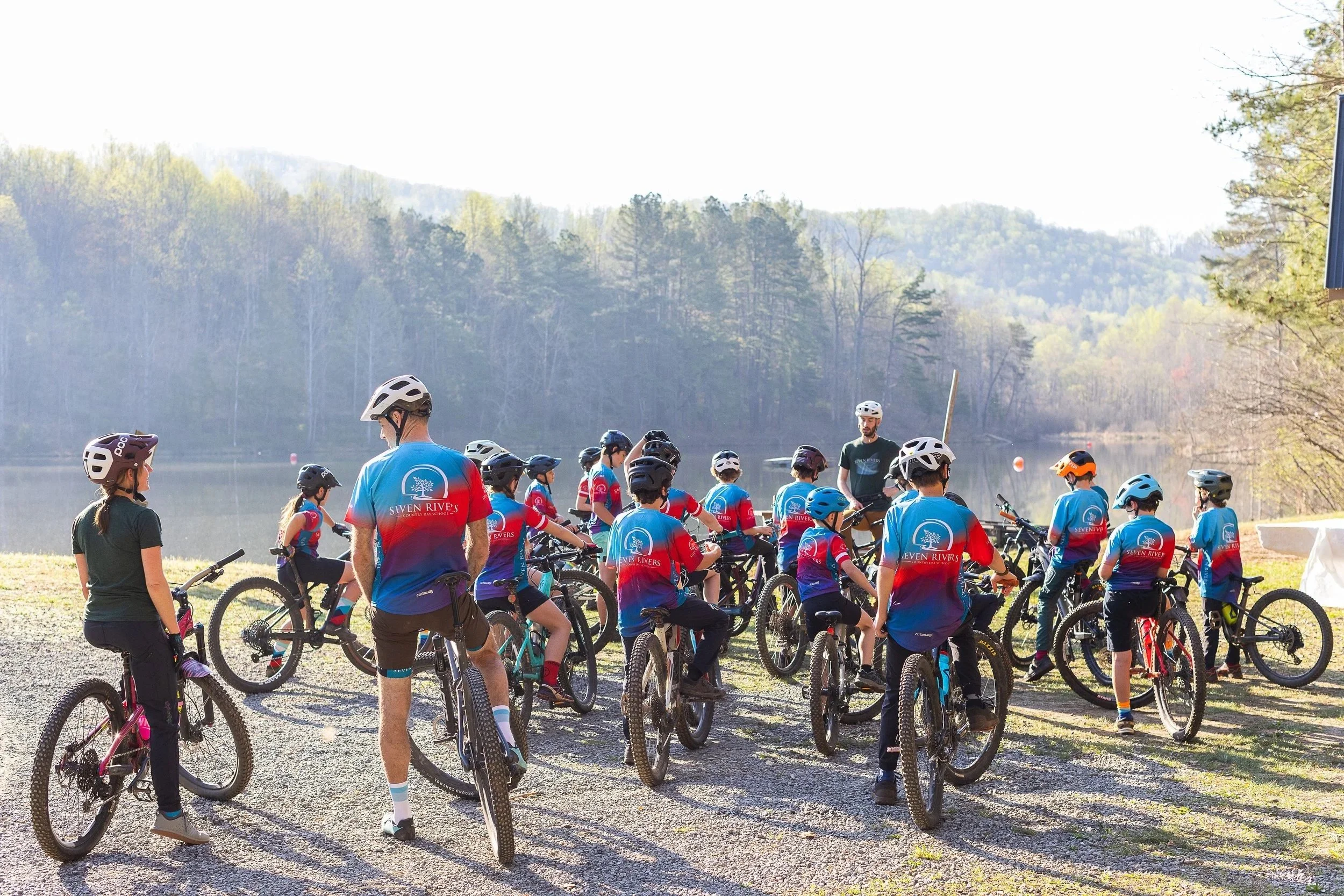
Boys & Girls Clubs of Central Virginia enables all young people, especially those who need us most, to reach their full potential as productive, caring, responsible members of the communities in which they live.
Wildrock’s mission is to promote nature play for health and happiness. Given that nature play is less a part of daily life today than in any previous generation, it is necessary to create enticing opportunities for people to reconnect with the natural world.
Youth Opportunities & Leadership
CAYIP : Site Partner Form
To teach workplace readiness skills. To assist youth in career exploration. To help youth identify their strengths and build resiliency. To connect youth to positive adults and to resources in the community.

Community Climate Collaborative : Green Team Alliance
The GTA is led by C3’s paid interns who engage high school students on climate and provides an avenue for them to accelerate action, advocacy, and justice. The Green Teen Alliance aims to educate for change, agitate for hope, and ultimately organize youth in the area around climate solutions.

Charlottesville Area Technical Education Center : Apprenticeship programs
We strive to develop strong relationships with local businesses that provide guidance, support, and work and training opportunities for our students.
Cultivate Charlottesville : Food Justice Interns
Cultivate Charlottesville trains future leaders in food equity by mentoring Youth Food Justice Interns during summer months. For 8-weeks, interns spend 20 hours per week in the garden and in discussion groups learning about growing food, food access, food insecurity and food systems in Charlottesville. Former interns have gone on to become active advocates in the food justice movement, through presentations to Charlottesville City Council, CCS school board, and the 2019’s Food System Conference in Savannah, GA.
Green Schools Alliance : Student Opportunities
Events, competitions and opportunities for students driven to become change-makers!
Dream in Green Take Charge! : Green Leadership Grants
This program is designed to empower elementary, middle and high school students participating in the Green Schools Challenge environmental education program by providing grants to support Green Team’s ‘green’ initiatives. kindergarten to 12th grade students learn to brainstorm ideas, manage budgets, work as a team, and execute projects that have a long-lasting impact on the environment.
James River Association : James River Leadership Academy
The James River Leadership Academy (JRLA) is a year-long leadership program for rising 10th, 11th or 12th graders. Our goal is to engage, develop, train, and inspire students in taking personal and community-wide action of becoming a river steward.
Leadership Sessions include discussions, team-building exercises, environmental ethics, and outdoor appreciation.
Piedmont Environmental Council : The PEC Randal Fellowship Program
Each summer, twelve students spend eight weeks with The Piedmont Environmental Council to gain a firsthand look into how we achieve environmental and social change in our communities
Keep Virginia Beautiful : SAVE Student Ambassadors for Virginia’s Environment
SAVE seeks to inspire and empower teenagers across the state of Virginia to help keep their communities clean and beautiful by providing them with resources to: Educate on the importance of litter prevention and other environmental efforts, like recycling and waste reduction; Spread awareness and organize efforts in their local communities to eradicate litter; and Become better leaders and capacity builders for environmental stewardship opportunities
Our current project is an organic garden for use as a practical learning platform for environmentally sound horticulture. The founding of an organic vegetable garden encourages more interest for other students, faculty, staff and the community to learn and put in practice environmentally healthy horticulture. The excess food that is produced by our garden will find its way into the local food stream of the hungry in our community. As a club we are also interested in encouraging sustainable practices both on our campus and the College's service region. We have done activities such as stream cleaning, bringing climate scientists to campus for talks, visiting a fracking site, investigating and promoting recycling and more!
Leadership Sessions include discussions, team-building exercises, environmental ethics, and outdoor appreciation.
Virginia’s Short Term Experience Program (STEP) has a goal to create pathways for people seeking to gain experience with a conservation focused organization. We see conservation as a broadly defined term that includes people working with our marketing, operations, philanthropy or other teams that are instrumental to our conservation mission. We strive to create an environment where people of all backgrounds, experiences and identities feel welcomed to participate in conservation.
For rising 9th through 12th grade students. In the summer, the Green Team learns about trees, climate change and how to plant and care for trees. In the fall, they canvas neighborhoods for free trees, and help plant the trees
Real-world experience combatting climate change with world-class organizations
The EI Summer Paid Internship Program is an opportunity for undergraduate, master's, and Ph.D. students to explore career opportunities and engage in real-world applications of environmental research. Internships run for ten weeks, typically from June to August each summer.
Leadership Sessions include discussions, team-building exercises, environmental ethics, and outdoor appreciation.
UVA's IPP (Internship Placement Program), Internships provided to UVA students on semester and summer timelines. During school year 10 hours/week, summer is 20 hours/week. paying interns is strongly encouraged.
The Virginia Forestry Club at UVA is dedicated to forestry conservation and community service, offering students hands-on opportunities to engage in sustainability initiatives in Virginia and Charlottesville. Members work alongside park rangers and conservation organizations to build trails, plant native vegetation, and manage invasive species, fostering a strong commitment to environmental stewardship and education.
We work with the University Internship Program at UVA to employ interns and provide a small stipend for their work. Please contact them if you are a student and would like to intern with us. These positions are provided a stipend. Wild Virginia holds the state’s government and regulators accountable for improving habitat connectivity and protecting water quality to counter climate change, prevent species extinction, and defend the health of our communities and ecosystems. Through advocating for environmental protections, convening stakeholder groups to amplify impact, and empowering diverse communities to become active in the decision-making process, we connect people with a safer, more inclusive outdoors.

UVA's IPP (Internship Placement Program), Internships provided to UVA students on semester and summer timelines. During school year 10 hours/week, summer is 20 hours/week. paying interns is strongly encouraged.

Living Earth: Teen Apprentice Program
The Teen Apprentice Program is designed as a multi-year journey, advancing wilderness survival, tracking, and making skills, eventually leading to individualized paths of a specialized, self-sufficient lifestyle. The goal, over the course of several years, is to guide participants in a quest to find their niche in life where they can take the skills learned at TAP and practically apply them to real-world situations. Participants will leave the course empowered to connect with nature outside of programs, find and build community where they live, and develop the skills to earn a living from their experience.
We see the teens walking down one of three paths eventually: bushcraft/naturalist (outdoor ed), permaculture/homesteading, and craftsmanship. TAP students will be exposed to these three topics to varying degrees and eventually begin to learn more of one or the other as they learn where their interests and talents lie in terms of providing for themselves and community. As students progress in their skills, they will be provided with opportunities to use and challenge their strongest skills to benefit the TAP community.
Youth Conservation Leadership Institute (YCLI) is a recognition program for students in 9th- 12th grade that focuses on volunteer service and environmental stewardship.
UVA's IPP (Internship Placement Program), Internships provided to UVA students on semester and summer timelines. During school year 10 hours/week, summer is 20 hours/week. paying interns is strongly encouraged.
Youth that are enrolled in the WIOA Title I Youth Program will receive services to gain work readiness and technical skills to make them competitive and marketable in the current economy. This could include placement with a local employer to learn valuable on-the-job skills and work habits.
GROWING THE NEXT GENERATION OF ENVIRONMENTAL LEADERS
Groundwork’s Youth Leadership and Workforce Development programs are designed around the needs of young people living in underserved urban neighborhoods. Living in communities with a surplus of pavement, a lack of trees and green space, and polluted land and waterways, the connection between young people and their environment is not often evident. Our programs meet youth where they are, literally and figuratively, to build connections between young people, their community, and the environment, increase their sense of belonging in the environmental community, and cultivate professional networks and career opportunities in the conservation, environmental, and community development fields. Much of our work is hyper-local, with youth working and learning within their own urban neighborhoods. This work is supplemented by our national programming, through which we create space for collaboration and community building across the national network – expanding opportunities, connections, and career potential for our youth.
Through our youth leadership and workforce development programming, we invest in the future of individuals and their communities to effect change in themselves, in the built and natural environments in which they live, and in our society as a whole.
By integrating age-appropriate environmental education, stewardship, and leadership development across all of our programming, we:
→ Foster a lifelong connection to the environment through stewardship and service-learning projects that connect conservation to everyday life.
→ Increase STEAM knowledge through hands-on citizen science projects, community art installations, and public outreach.
→ Build transferable life and leadership skills through community outreach and organizing, college and employee-readiness training, and community-building and mentorship.
Teaching Resources
Project Learning Tree advances environmental literacy and promotes stewardship through excellence in environmental education, professional development, and curriculum resources that use trees and forests as windows on the world.
Lesley Newman
Virginia PLT State Coordinator
434-981-6742

The activities from the Aquatic WILD Guide cover concepts, principles and issues relating to aquatic wildlife, aquatic habitats and ecosystems, and actions for sustaining aquatic species and habitats. Through readings, videos, reflection exercises, and hands-on components, you will become familiar with Project WILD pedagogy and comfortable implementing a set of activities from the Aquatic WILD Guide.
The Project WILD program is an interdisciplinary conservation and environmental education activity guide that focuses on wildlife and conservation for all educators.
Courtney Hallacher, Project WILD Coordinator, at courtney.hallacher@dwr.virginia.gov.

Project WET empowers educators to engage youth to understand water and solve local and global challenges.
Cynthia Barnes
VA AWWA Training Coordinator | Virginia Project WET Coordinator
Dedicated to the World's Most Vital Resource ®
What is certification?
According to the North American Association for Environmental Education (NAAEE):
Professional certification ensures that individuals are fully prepared for work within a specific field of expertise. Certified environmental educators meet stringent requirements for proficiency in both the interdisciplinary content and pedagogy necessary to develop and deliver high quality, effective EE programs.
While it is not necessary to attain certification in order to be employed as an environmental educator, certification readily distinguishes highly qualified professionals and enhances the resumes of those who have attained it. Having a community of certified professionals also elevates respect for the profession.
Who should seek certification?
Virginia Environmental Education Certification is for anyone who educates about some aspect of the environment, is passionate about elevating the field, and would like to strengthen their environmental and/or pedagogical expertise

Project Food, Land & People educates students and citizens about the connections between agriculture, the environment and people of the world.
What is the purpose of the
Master Naturalist program?
To train and oversee a statewide group of dedicated volunteers who provide education for all ages, outreach, and service that directly benefits the management of natural resources and natural areas within our community and region.
Naturalist Program

We bring the art and science of nature connectedness to organizations and communities. Our clients include change makers in education, mental health and wellness, youth services, outdoor recreation, ecotourism, and conservation fields. Program outcomes include stronger social connection, improved mental health and well-being, experiential learning, and deeper meaning and purpose in caring for the earth. Our work is customized to your needs.
We honor diverse traditions and perspectives and welcome people from all backgrounds to join us in this vital work restoring nature connectedness and promoting nature equity for community health and environmental caretaking where we live, work, and play.
After determining environmental education options weren’t comprehensive, consistent, or even readily available to students or educators, teachers from Boston Public Schools and young people from the Boston Student Advisory Council (BSAC)/Youth on Board collaborated to develop a series of K-12 science lessons, all of which are aligned to state standards, to educate students about climate change and how it impacts our planet, both locally and globally.
Our goal is to create a generation of young people informed about and invested in environmental stewardship to preserve Earth’s rich biodiversity.
the University of Colorado Boulder developed a free K–12 curriculum inspired by the themes of the inaugural Summit.
Right Here, Right Now Education also offers a vast trove of K-12 Curriculum developed by the Climate Literacy and Energy Awareness Network (CLEAN), whose team of educators and scientists have reviewed and organized the best free teaching resources for K-12 through college related to climate change.
The Wild Center’s Youth Climate Program works to convene, engage, connect and empower young people around the world to take action on climate change. We do that through conference-style Youth Climate Summits that focus on the knowledge and skills needed to become effective climate leaders. Summits empower youth to generate Climate Action Plans that they can implement in their schools and communities. Using our Youth Climate Summit Toolkit, this model has been replicated across the globe.
After determining environmental education options weren’t comprehensive, consistent, or even readily available to students or educators, teachers from Boston Public Schools and young people from the Boston Student Advisory Council (BSAC)/Youth on Board collaborated to develop a series of K-12 science lessons, all of which are aligned to state standards, to educate students about climate change and how it impacts our planet, both locally and globally.
Our goal is to create a generation of young people informed about and invested in environmental stewardship to preserve Earth’s rich biodiversity.
The 2025 Biomimicry Youth Design Challenge is underway! Nearly 200 teams from six continents have registered and started designing nature-inspired solutions to the critical issues facing their communities.
Teams work through the NGSS-aligned curriculum introducing biomimicry concepts and methods. Then, by the end of May, each team submits a comprehensive project portfolio presenting their design solutions. An international jury of biomimicry practitioners, engineers, educators, and scientists evaluates each proposal, offering feedback and selecting special commendations for exceptional work in age and thematic categories.
You can help celebrate all of the Biomimicry Youth Design Challenge teams and participants during the Virtual International Biomimicry Exhibition, June 1-30, 2025.
Invented by community science staff, Lila Higgins at the Natural History Museum of Los Angeles County (NHM) and Alison Young and Rebecca Johnson at the California Academy of Sciences (CAS), the City Nature Challenge is an international effort for people to find and document plants and wildlife in cities across the globe. It’s a bioblitz-style competition where cities are in a friendly contest with each other to see who can make the most observations of nature, who can find the most species, and who can engage the most people.
Would you like to deeply integrate humane education into your school and/or district to ensure that all your students develop solutionary dispositions and thinking capacities?
We can work with a team of educators from your school or district through our Solutionary Micro-credential Course.
We also offer customized workshops and presentations for students, faculty, curriculum leaders, school administration, and families to set you on a path to becoming a solutionary-focused school.Our goal is to create a generation of young people informed about and invested in environmental stewardship to preserve Earth’s rich biodiversity.